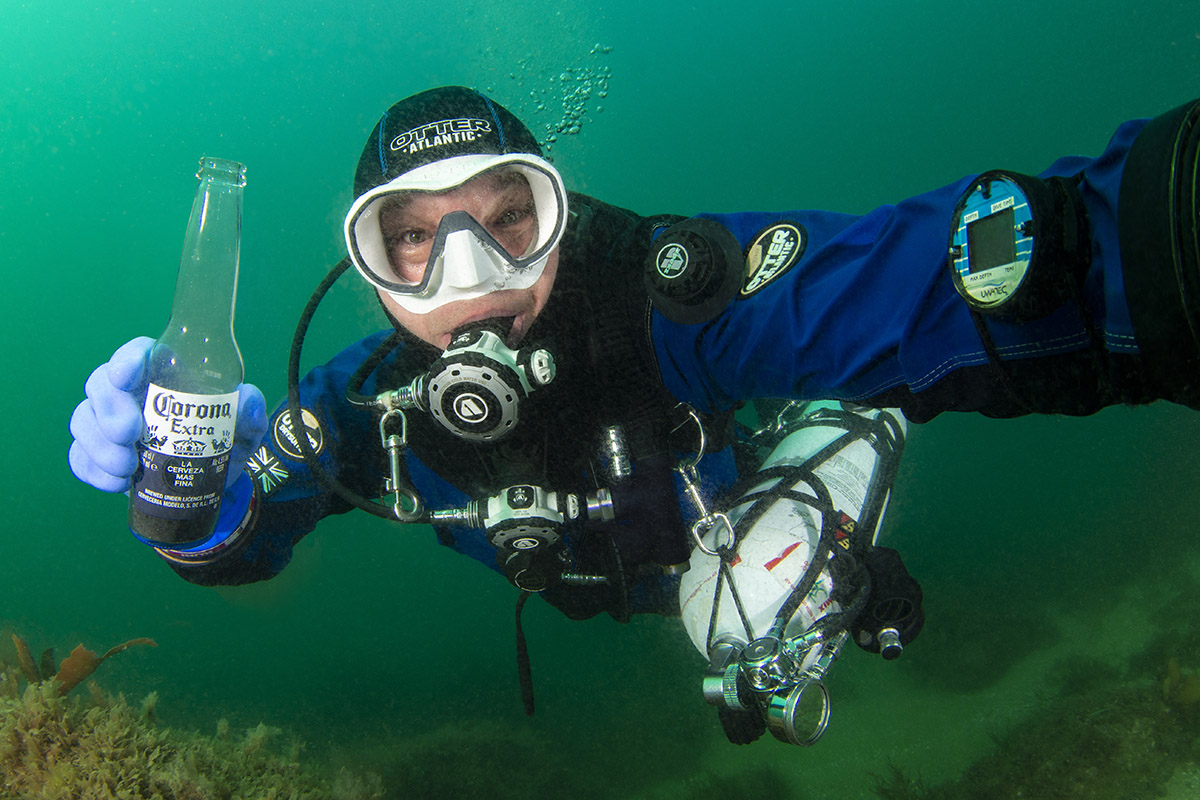
After three months of diving cold turkey forced upon us all by the COVID lockdowns back in 2020, Jason Brown thinks he has discovered the perfect antidote for the lockdown blues...
BARDOPHOTOGRAPHIC
Returning to scuba diving
after COVID lockdowns...
As surface intervals go, it’s fair to say that the early months of 2020 were the longest period of time I’d ever stayed dry.

Back in January 2020, few of us could have foreseen what was heading down as the tracks as we made plans for the year ahead. Back then it all looked so rosey with some genuinely exciting diving giving me much to look forward to. Plans were made, boats were booked and deposits paid - yes indeed, the year ahead was going to be a cracker! And then, Coronavirus happened...
Key Information
Author:
Jason Brown
Publication Date:
July 2020
Publication:
Scuba Diver UK
Feature catagory:
Shore Diving
Photo Gallery #1:
Photo Gallery #2:

This feature and all images are copyright © Jason Brown and may not be republished, reproduced or copied in any form without the express written permission of the author. This feature and all images are available to licence.
Literally overnight, everything stopped - airlines around the globe grounded their fleets, businesses large and small battened down the hatches and every man, woman and their dog found themselves furloughed. Sadly diving didn’t escape the lockdown either with dive centres around the globe closing their doors. Even the trusty inland dive sites padlocked their gates and closed shop as the UK Government gave us the order to stay at home, get fat and watch far too many TV boxsets. You really couldn’t make it up – all felt quite surreal in a Tarantinoesque way.

Diving the 'new normal'...
Thankfully, we got through it and things are looking brighter. At the time of writing this feature, it’s late May and the lockdown is just starting to ease. As Prime Minister Boris Johnson does his best to get us used to the 'new normal', divers have finally been given the green light to take their first tentative fin kicks back into the water. In truth, it all feels a bit surreal - something we all took for granted now seems like a forbidden fruit. Can I honestly go diving? Is it too good to be true? Inspired by Dominic Cummings spirit of wandering misadventure, the day that I’d waited three months for had finally arrived - I was going diving!

Of course, it was never going to be that straight forward. Guidelines released by the British Divers Safety Group (BDSG) in mid-May had placed some restrictions on what we could do. Diving off a boat was sadly out of the question so a shore dive seemed the only option. For me, that gave the perfect excuse to return to one of my favourite shore dives along the South Coast - Chesil Cove. Site of my very first open water dive back when I still had hair and a few less kilos, I’ve always had a soft spot for this beautiful location.
"Even the trusty inland dive sites padlocked their gates and closed shop as the UK Government gave us the order to stay at home, get fat and watch far too many TV boxsets."
"Arguably the biggest challenge that Chesil poses are the steep pebble banks that must be tackled on your way back up the beach - no mean feat on a hot day in full dive kit!"
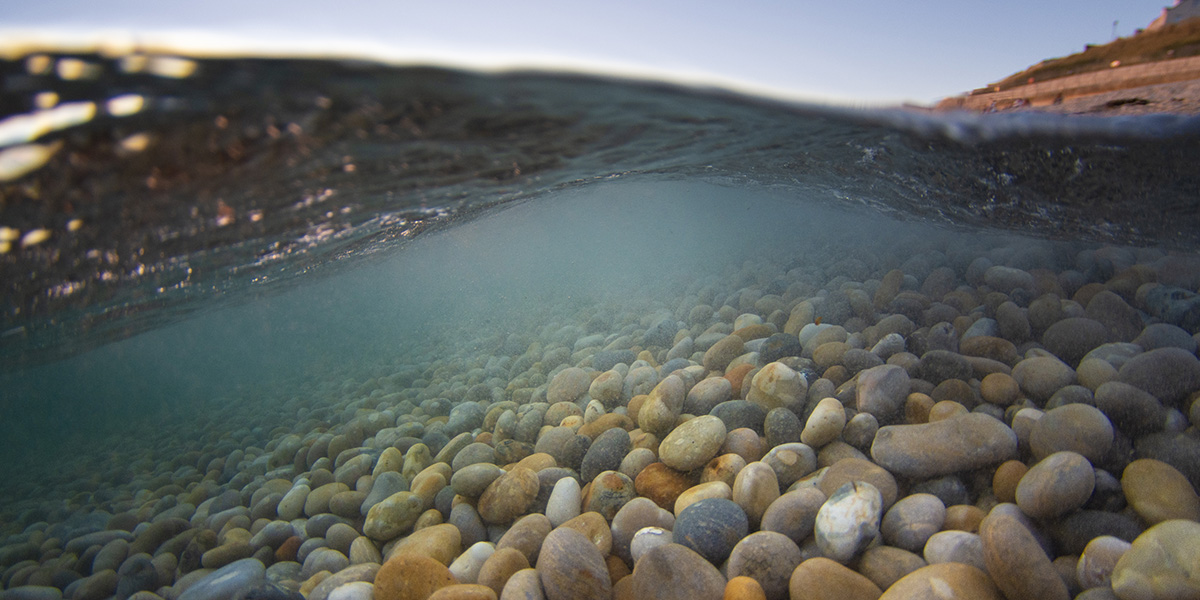
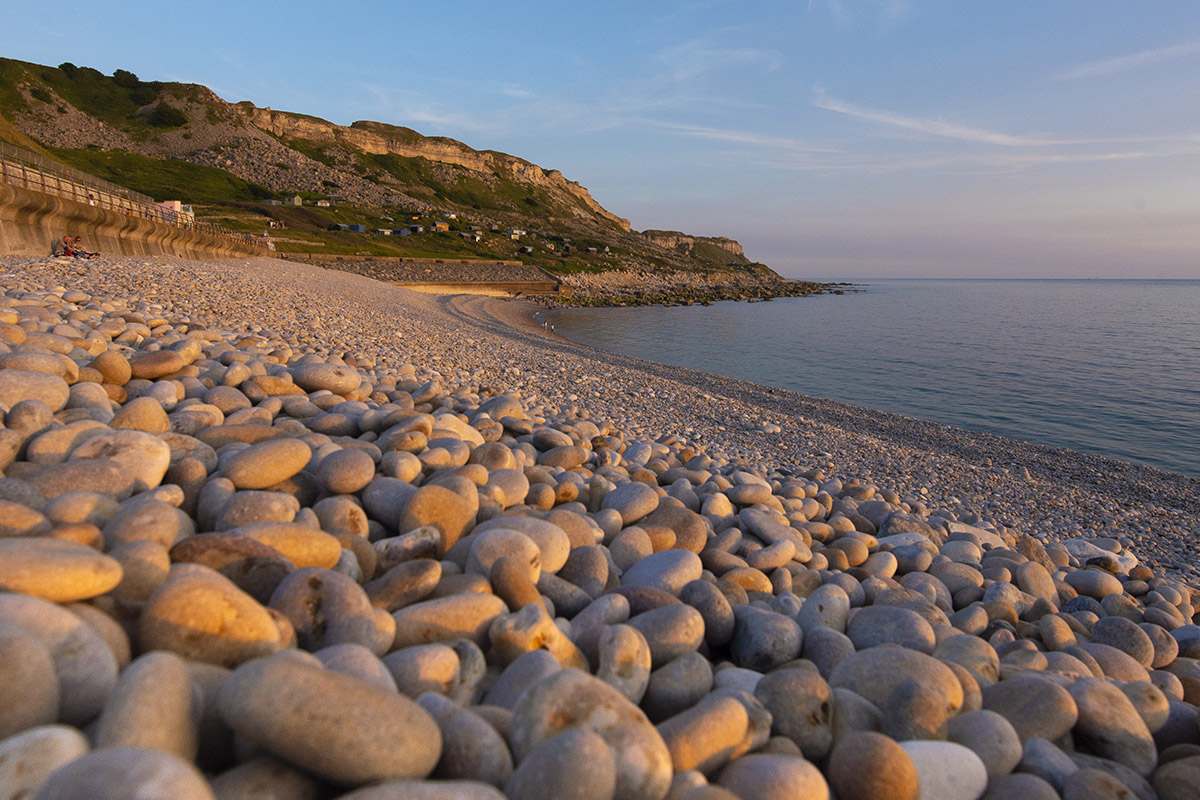
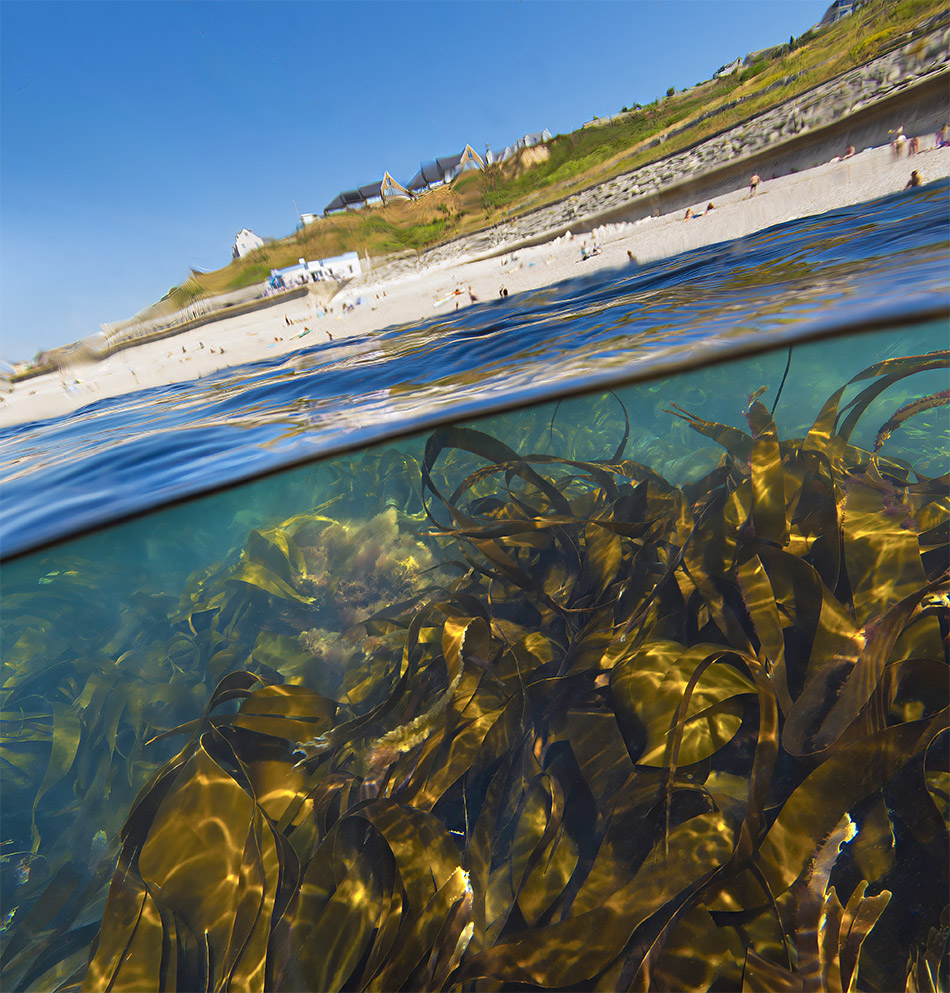
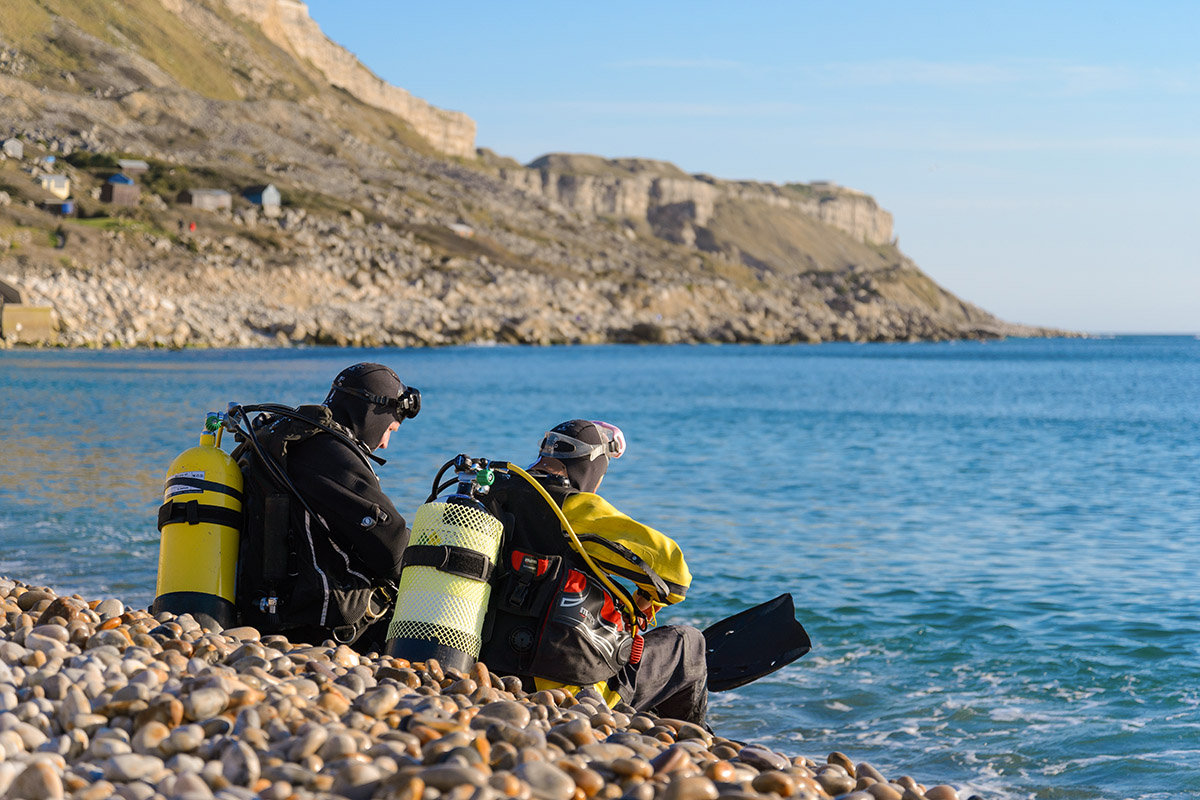
Nestled at the sheltered base of Portland on the southernmost edge of Chesil Beach, Chesil Cove is a wonderful shore dive packed with an abundance of marine diversity in all its many shapes and colours. It can be dived in any state of the tide as the tidal currents that run parallel to the beach don’t really affect Chesil Cove and the large, imposing rock that is Portland shields the site from Easterly winds.

Arguably the biggest challenge that Chesil poses are the steep pebble banks that must be tackled on your way back up the beach - no mean feat on a hot day in full dive kit!

Changing procedures...
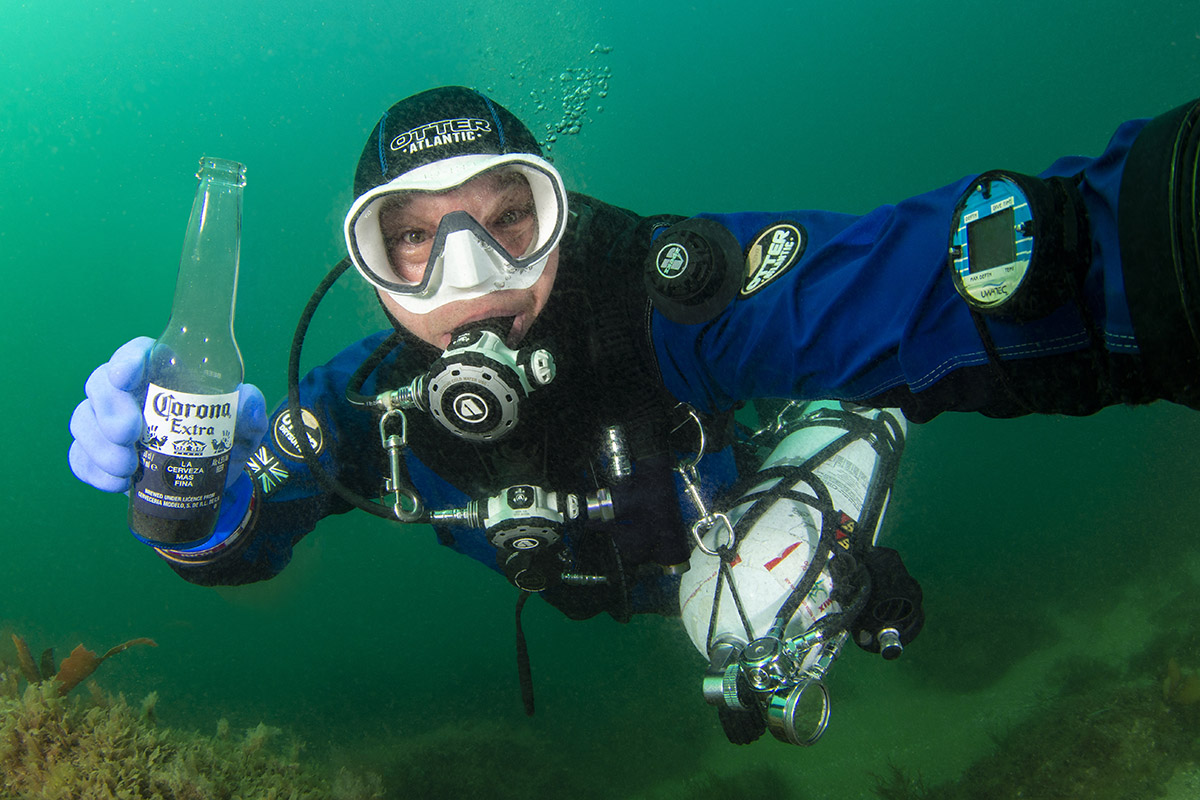
Days before we hit the water, my buddy and I had agreed upon the changes we’d need to put into place to follow Government health advice. The need to maintain ‘social distancing’ meant that we would have to modify many of the procedures divers take for granted to minimise any form of direct contact. I’d already spent quite some time thinking through ways to mitigate much of this - carrying a side-slung diving cylinder filled with breathable gas, for example, would provide full redundancy should either myself or my buddy run out of air.

Instead of having to donate gas via an octopus (or, in my case, long hose), I could simply donate the regulator on my AL80 stage and then hand off the bottle. This regulator was fully disinfected before the dive to allow either one of us to breathe from it without fear of potential infection. Normally I’d never consider taking a stage into the water on a shallow shore dive but these were indeed strange times we were all living through.
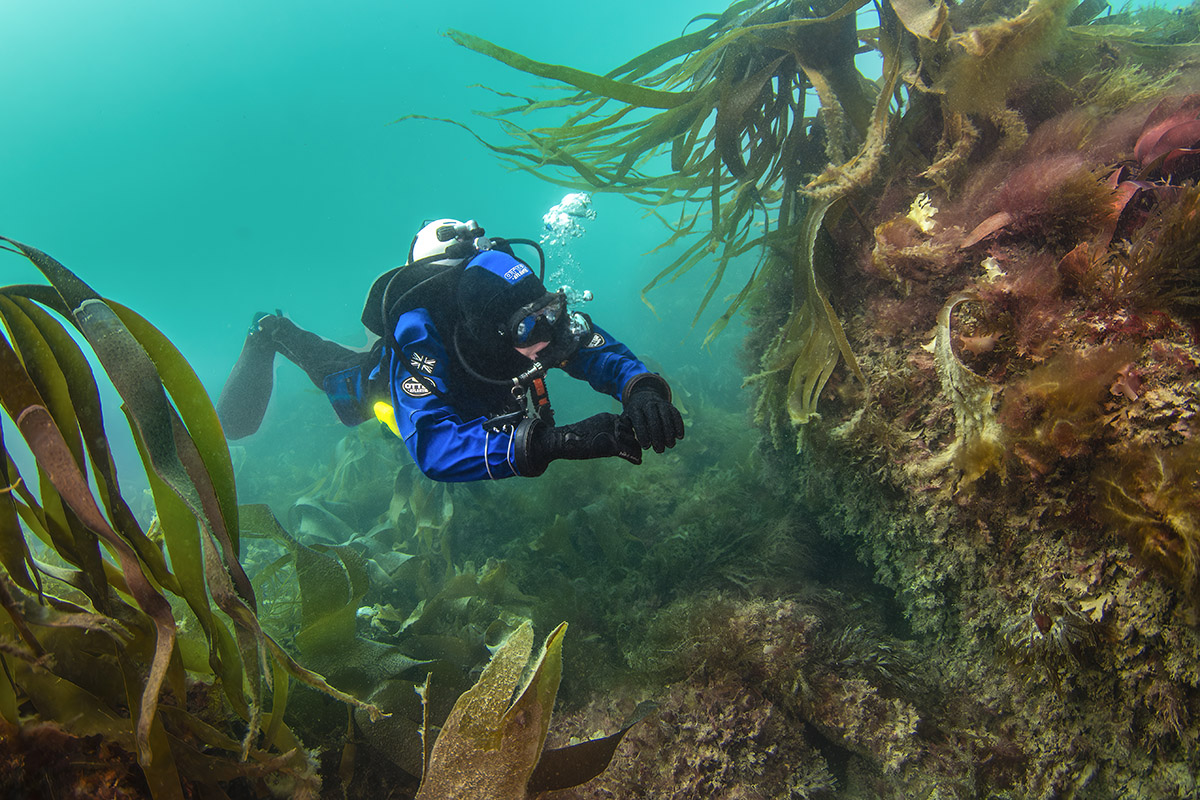
Sadly some things were beyond our control. Getting air fills, for example – with no dive centres open, we needed to be completely self-reliant. Thankfully both of us had full cylinders sat gathering dust so that wasn’t going to be an issue. What could be an issue, however, was the lack of loo facilities – with all pubs and cafes in the area closed to visitors, answering the call of nature could be a problem. Thankfully my Otter drysuit is fitted with a pee-valve so relief would need to be held off until I was in the water.

Strangely therapeutic...
Finally the day of our dive had arrived and even the journey down to Chesil was strangely therapeutic. The closer I got to the coast, the more I felt a genuine sense of renewal. Spending so long away from the sea had clearly had a greater effect than I’d realised. The long spell of great weather we’d experienced during most of May really helped too. When I finally arrived at Chesil Cove early in the morning, the conditions just couldn’t have been better. With no wind to speak of, the sea was millpond flat and the sky was a brilliant blue with not a cloud in sight. We really couldn’t have wished for better conditions.

Many of the beaches along the South Coast had been swamped by visitors but I was pleasantly surprised to see Chesil still relatively quiet. Whilst the odd day tripper had set down blankets on the pebbled beach, they were few and far between – social distancing was not going to be a problem. Not surprisingly, my buddy and I were not the only divers to target Chesil Cove for a much-needed post-lockdown dive. Scanning the beach, I spotted a few divers making the most of the conditions. After ferrying our gear down to a suitably socially-distanced spot on the beach, I took it upon myself to go chat with some of them.
"Normally we’d be diving off the club RIB but there’s a good chance that it won’t get any use this year – there is simply no way to effectively isolate on a RIB."
Whilst it’s fair to say not everyone was taking the social distancing thing quite as seriously as others, there were some exceptions. Divers Mark Pepper and Steve Coe from Westland Sub-Aqua Club had travelled down from Yeovil to enjoy Chesil. I found them assembling their kit and asked them what they were doing differently post-lockdown. “We made a conscious decision to kit up independently and even buddy-check independently. When we’re on the surface, we plan to keep our distance. Normally we’d be diving off the club RIB but there’s a good chance that it won’t get any use this year – there is simply no way to effectively isolate on a RIB. Shore diving is the way to go at the moment” commented Mark.

Defog, don't spit...
Later in the day I encountered husband and wife diving duo Lisa and Richard Frew from DiveSouth making their way down to the waters’ edge. I asked Lisa what changes they’d made to their diving to properly observe government health guidelines. “As a husband and wife buddy team, social distancing for us means avoiding crowded areas, and opting to choose quieter times. We agreed beforehand that if it looked too busy, we would turn around and go home. Limiting to one dive each visit, we not only minimise coming into contact with others, but avoid issues with limited facilities open.”

“The kit is less of an issue for us as we live together, but we are experimenting with long hose and short hose procedures ready for when we are teaching again. We sanitised tank valves before and after filling, as well as masks and regs at the dive site. We also used defog as opposed to good old spit. Plus we made sure we had a flask of hot soapy water for washing hands and rinsing water. Once back at home, everything was thorough sanitised again.”
Escaping the madness...
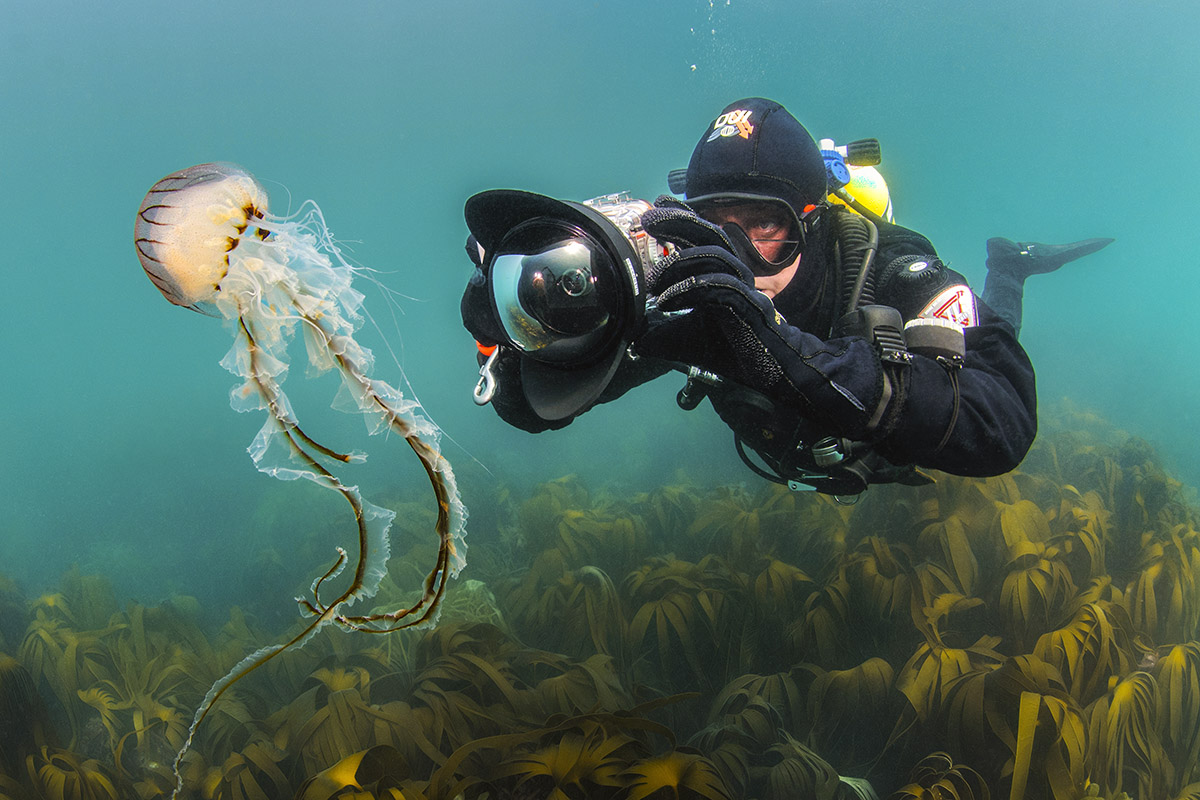
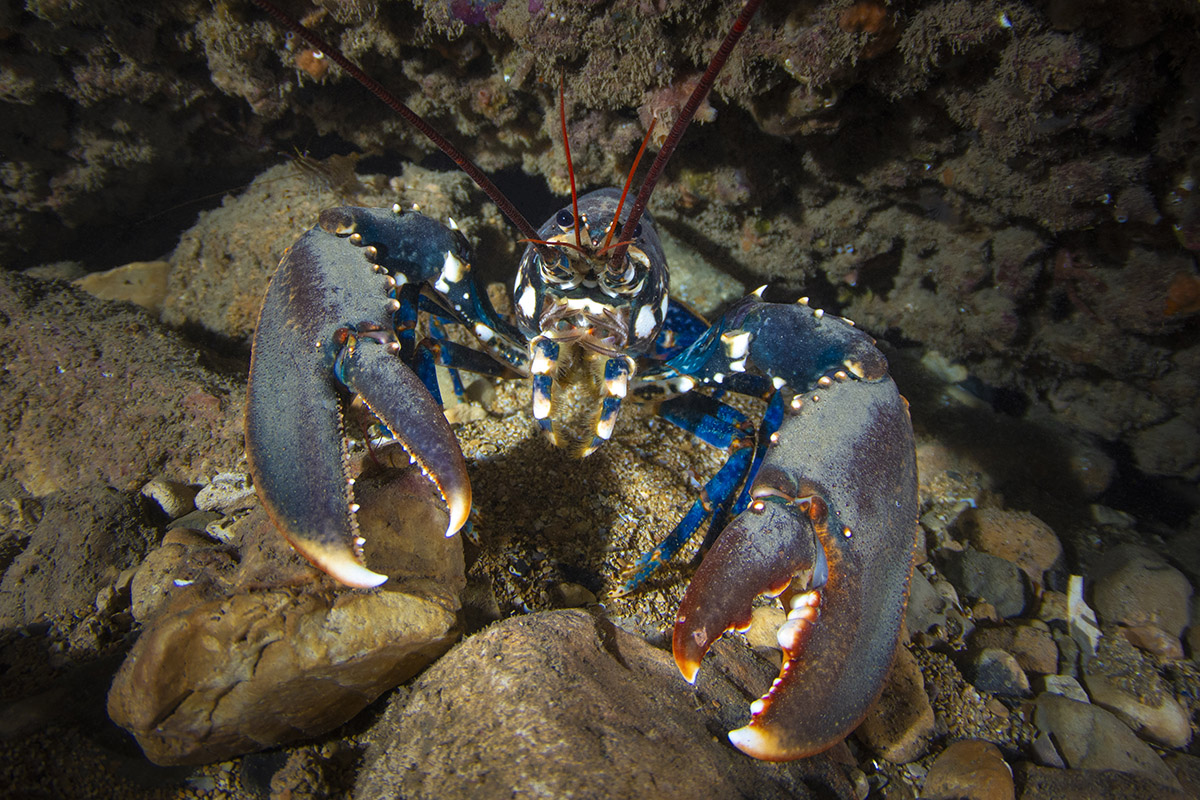
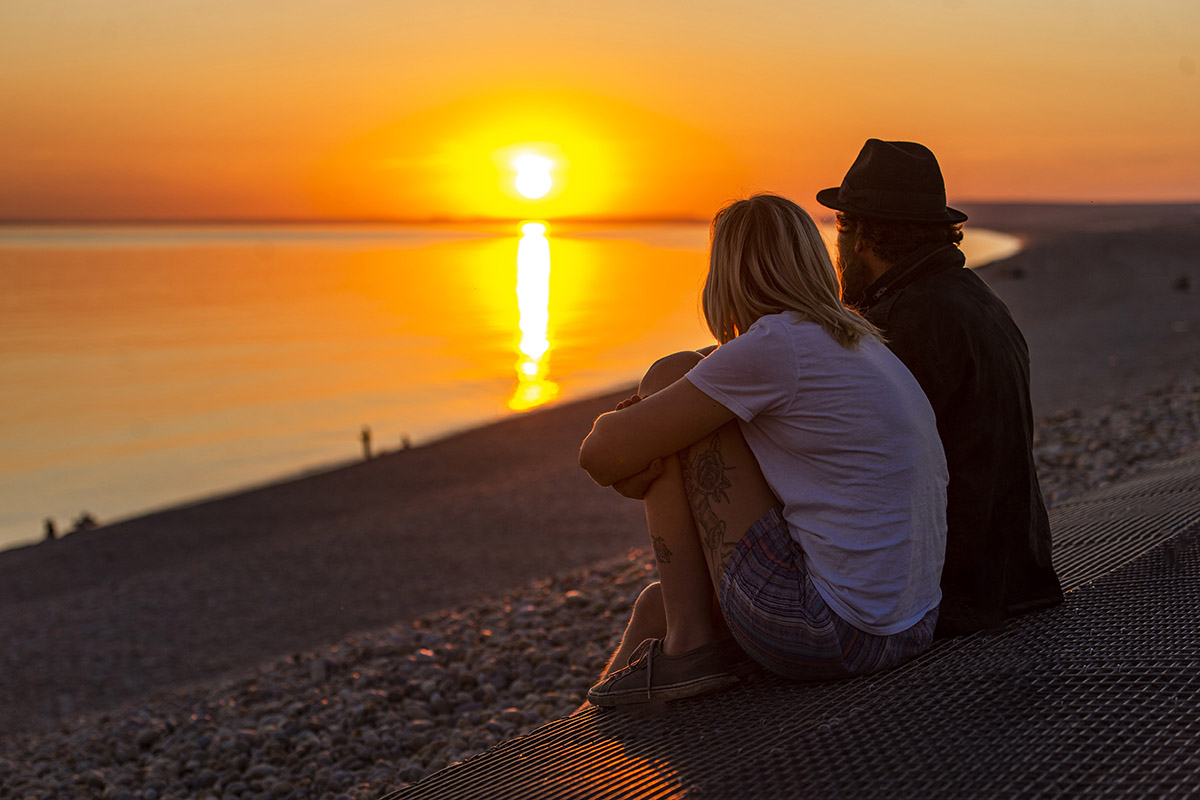
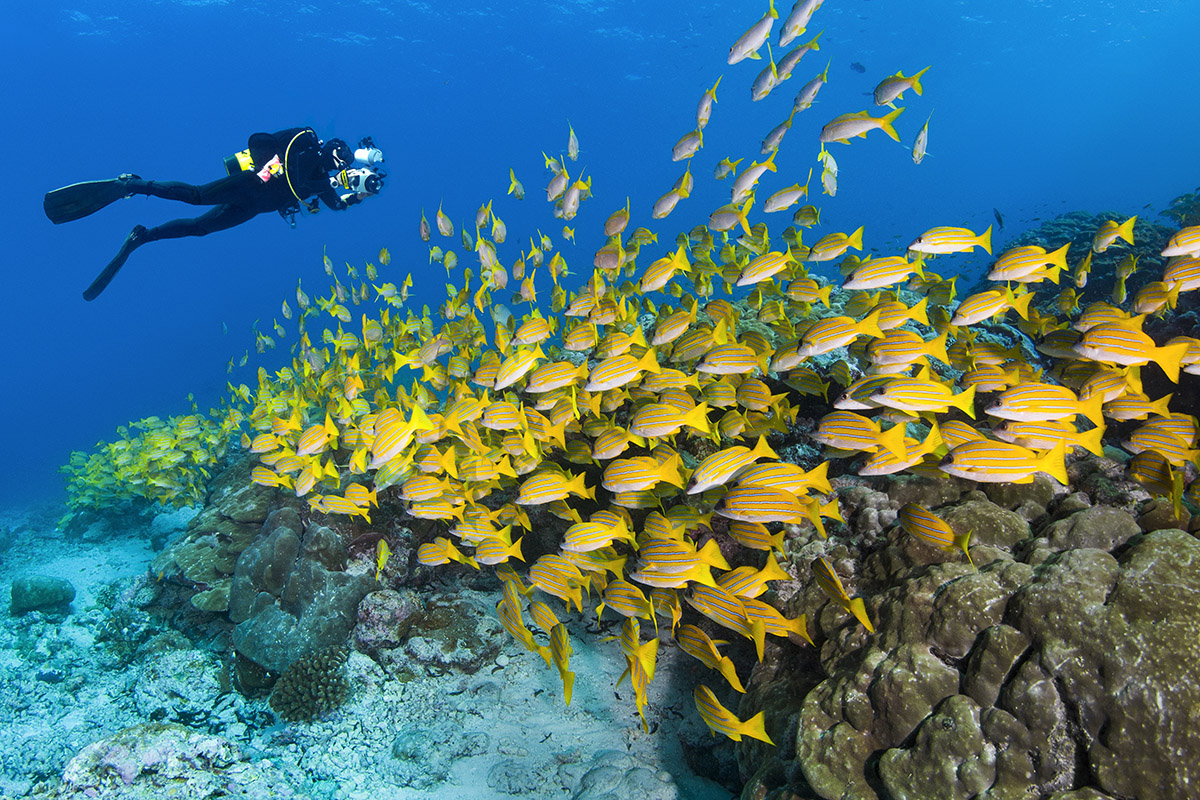
So how did it feel to finally be back in the water? “It was epic! There was hardly anyone on the beach - we felt very excited and lucky to be go diving for the first time in what felt like forever! It was great to just get in and float. Just to be able to escape the madness for a while and be totally in the moment among the cuttlefish, lobsters and a sea of floating nudibranchs. We surfaced to see the beautiful sun starting to set over the cove – it was a perfect evening. It’s just a shame we can’t enjoy it with our students and dive buddies just yet.”

The viz may not have been quite as good as I had hoped and the marine life seemed to be keeping its distance but I couldn’t help but agree with everything Lisa had said. They say absence makes the heart grow fonder but the experience of simply being back in the water didn’t disappoint. After what felt like an eternity of lockdown, my return to diving was therapeutic on so many different levels - mind, body and soul felt rejuvenated and ready for more. A generous dose of vitamin sea was clearly just what I needed.
All content © Jason Brown 2010-2026
No content may be reproduced without express written permission.