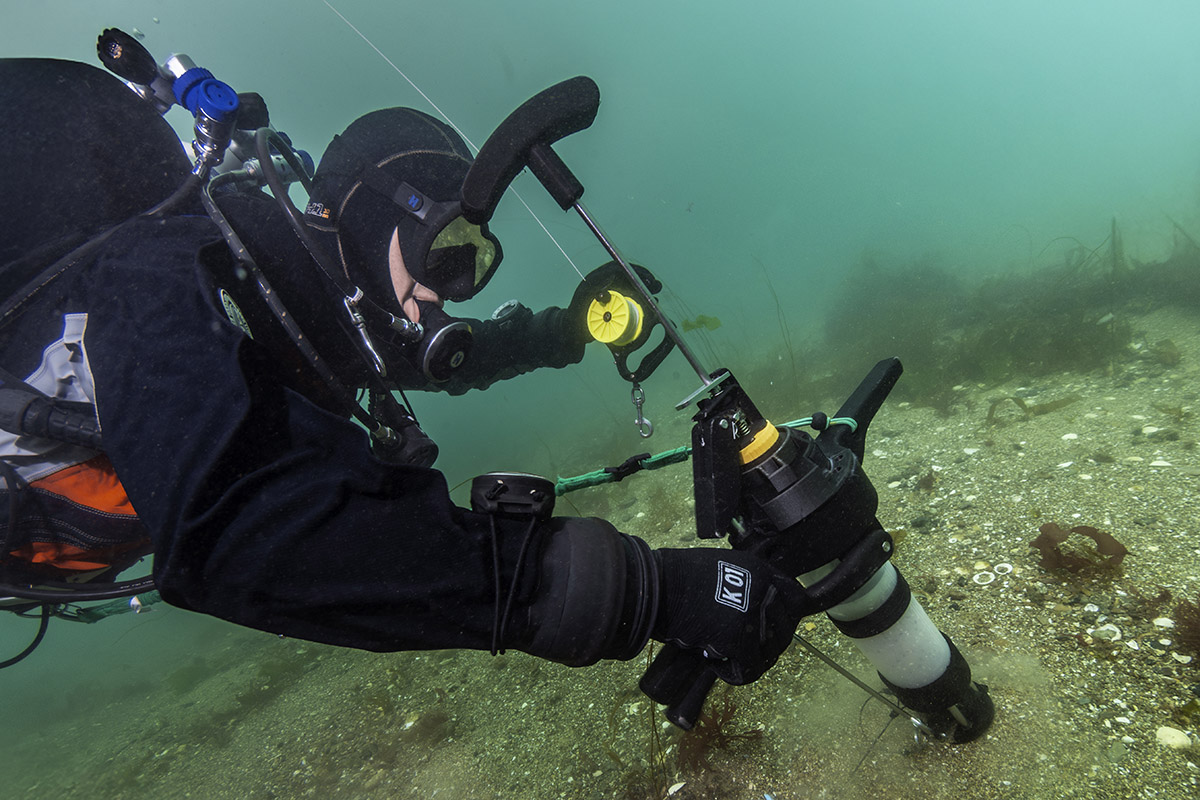
"If that wasn’t enough to get you cheering for team seagrass, they also act as a carbon sink, helping to counter the impact of climate change"
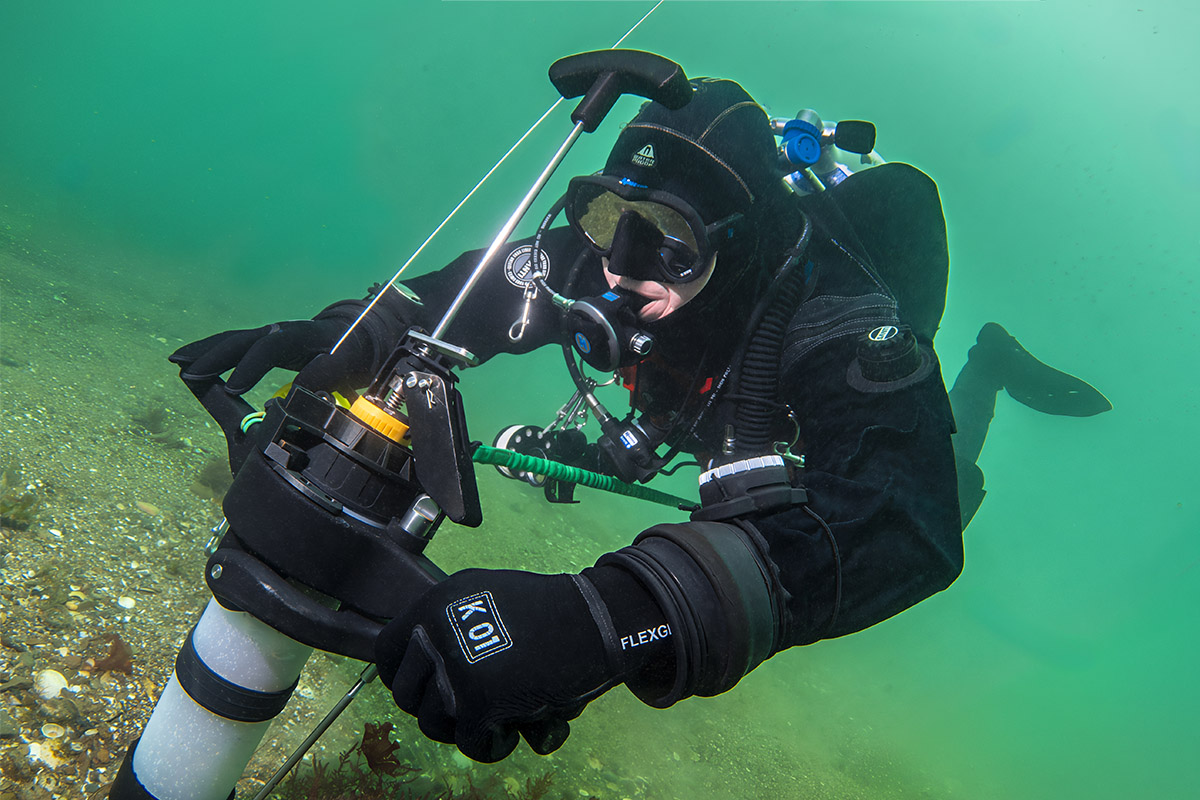
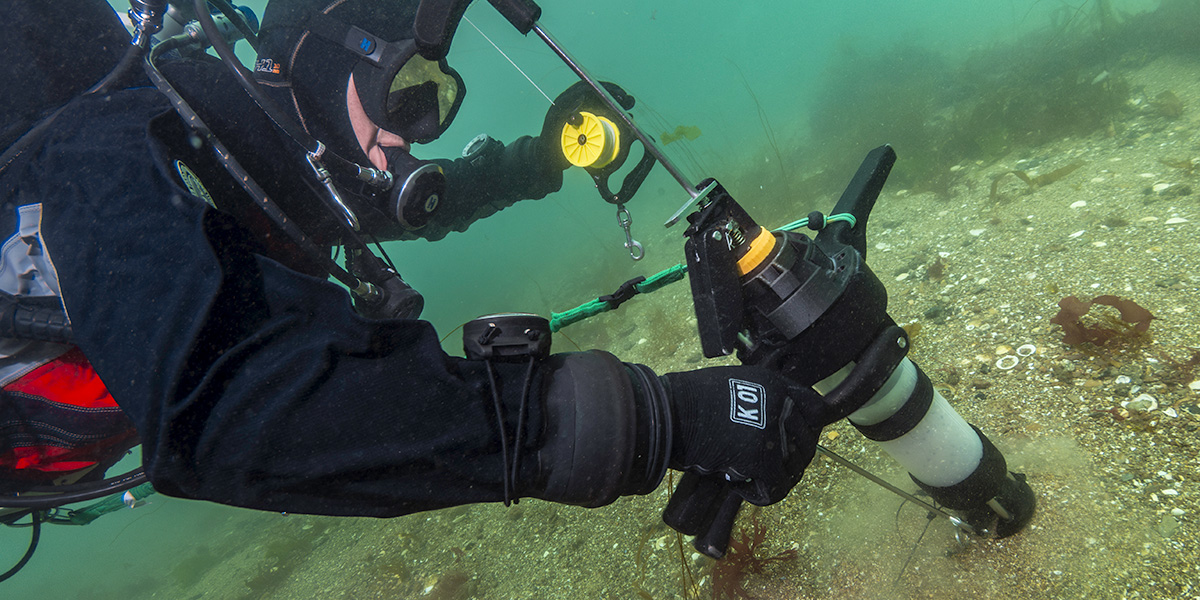
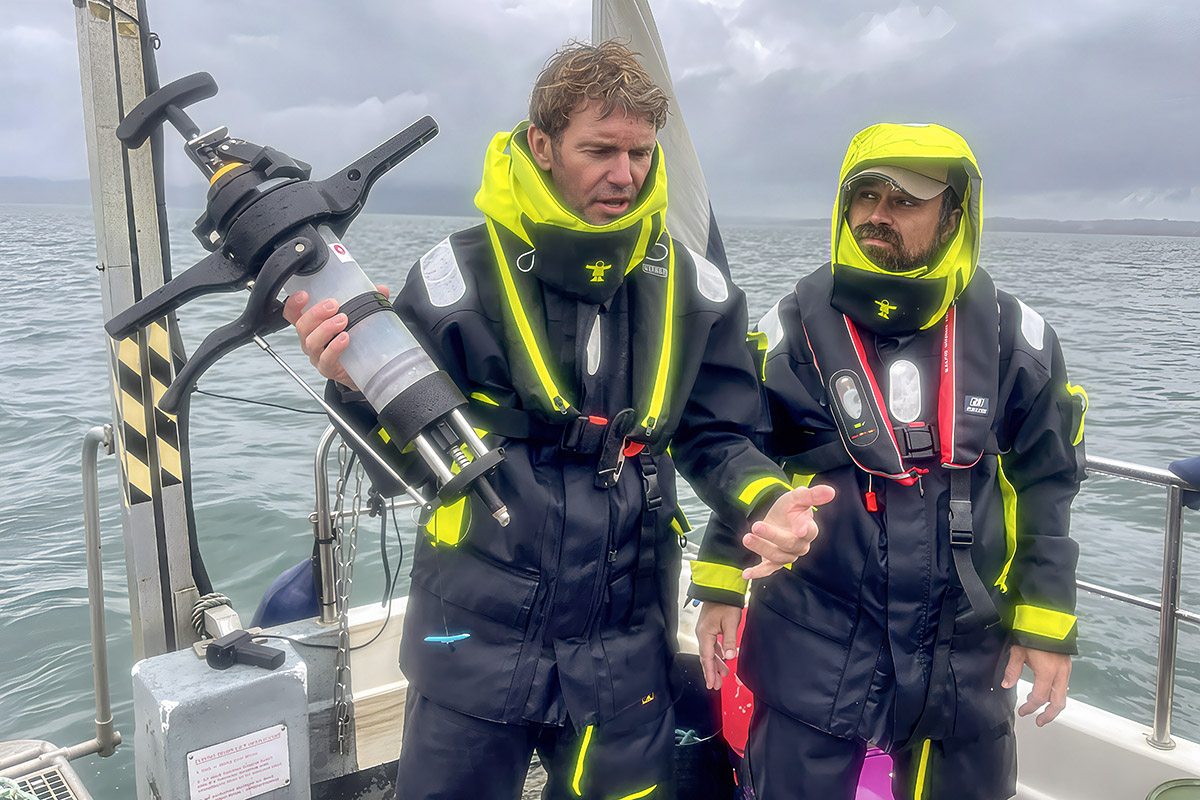
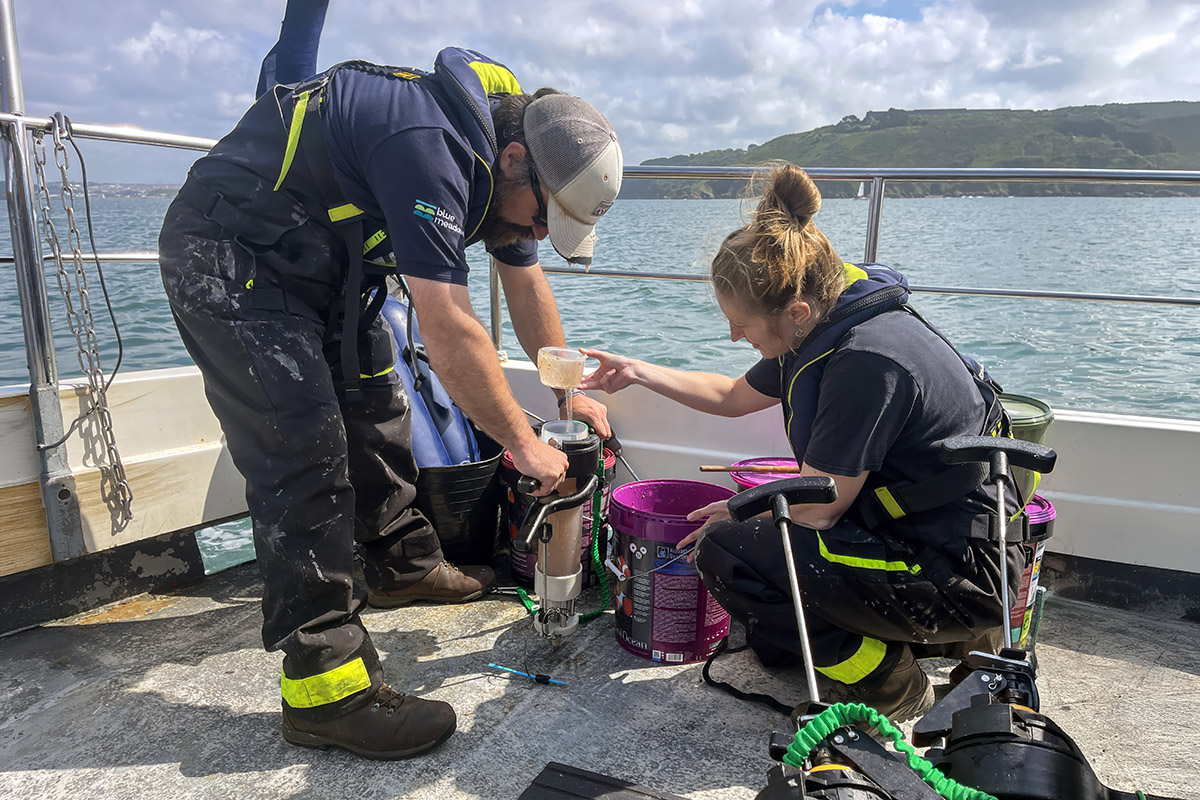
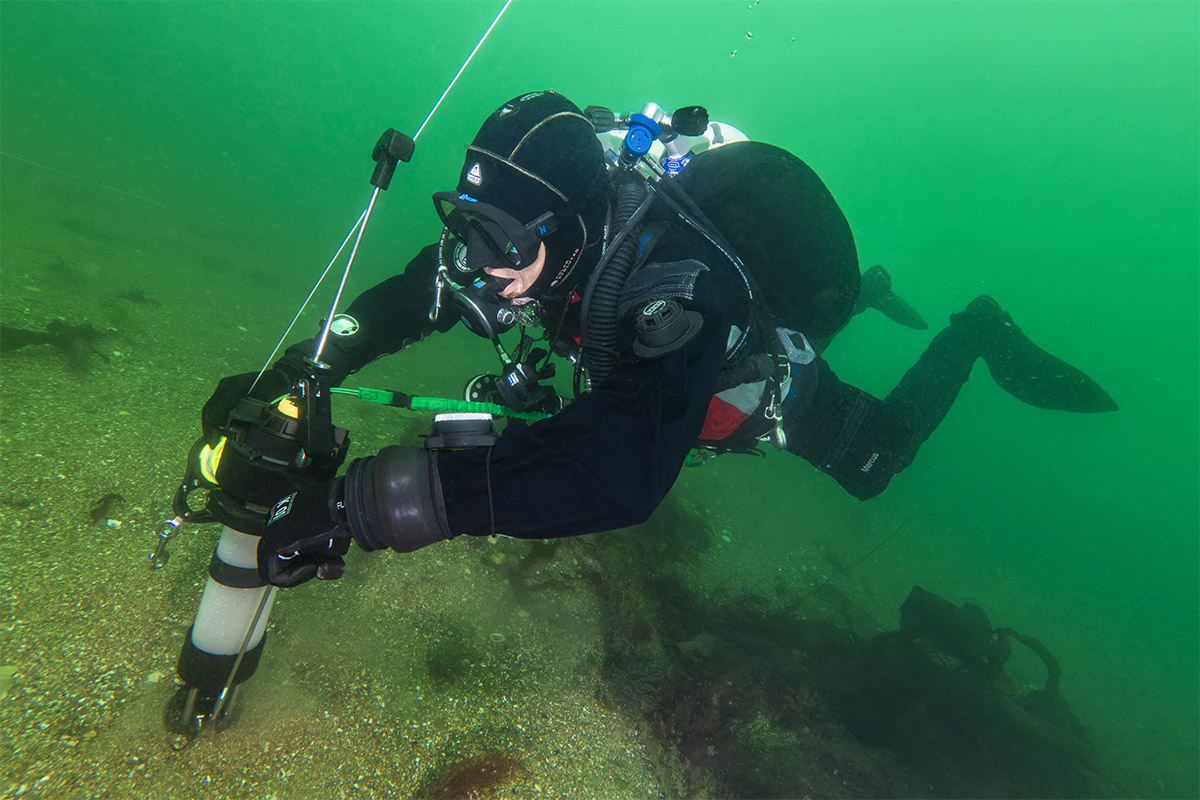
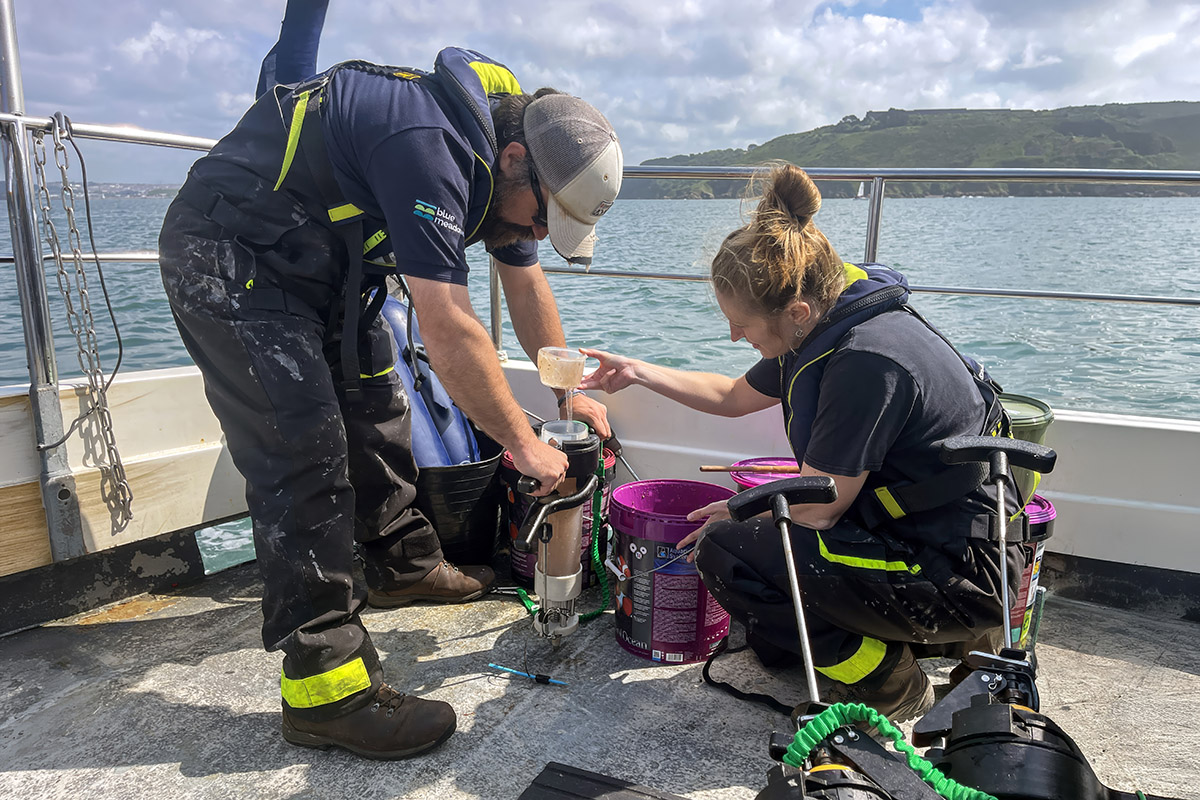
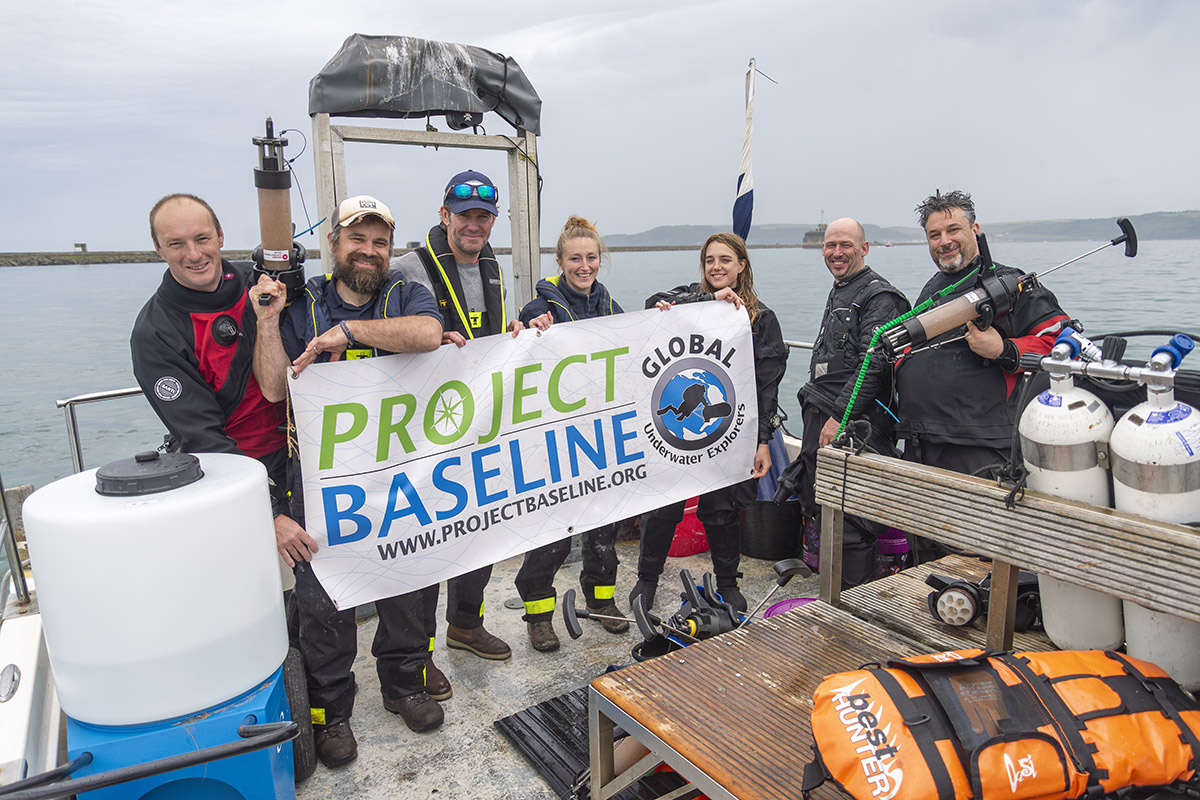
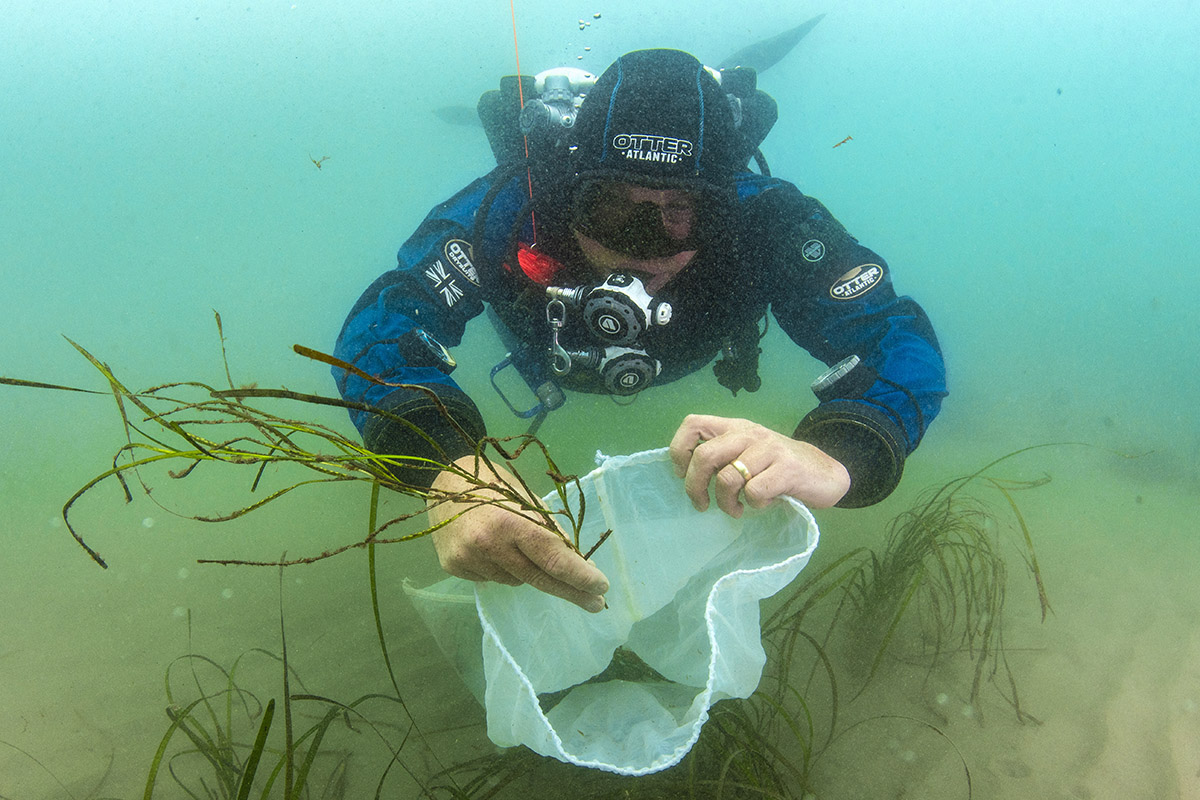
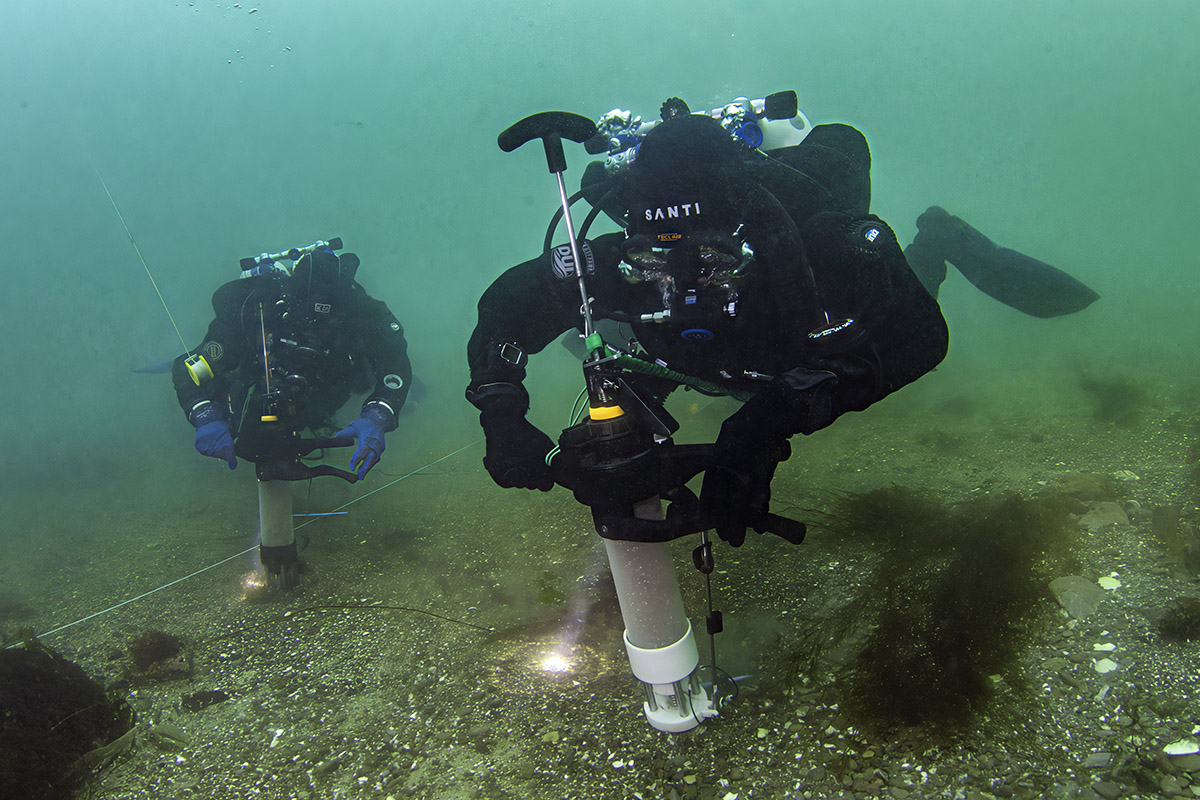
Over the last few years one of the most prominent projects PBUK has been supporting is the Blue Meadows seagrass restoration programme run by the Ocean Conservation Trust. Based at the National Marine Aquarium in Plymouth, the Trust is a global ocean conservation charity that has been working tirelessly towards a vision of healthy, thriving oceans for almost 30 years.
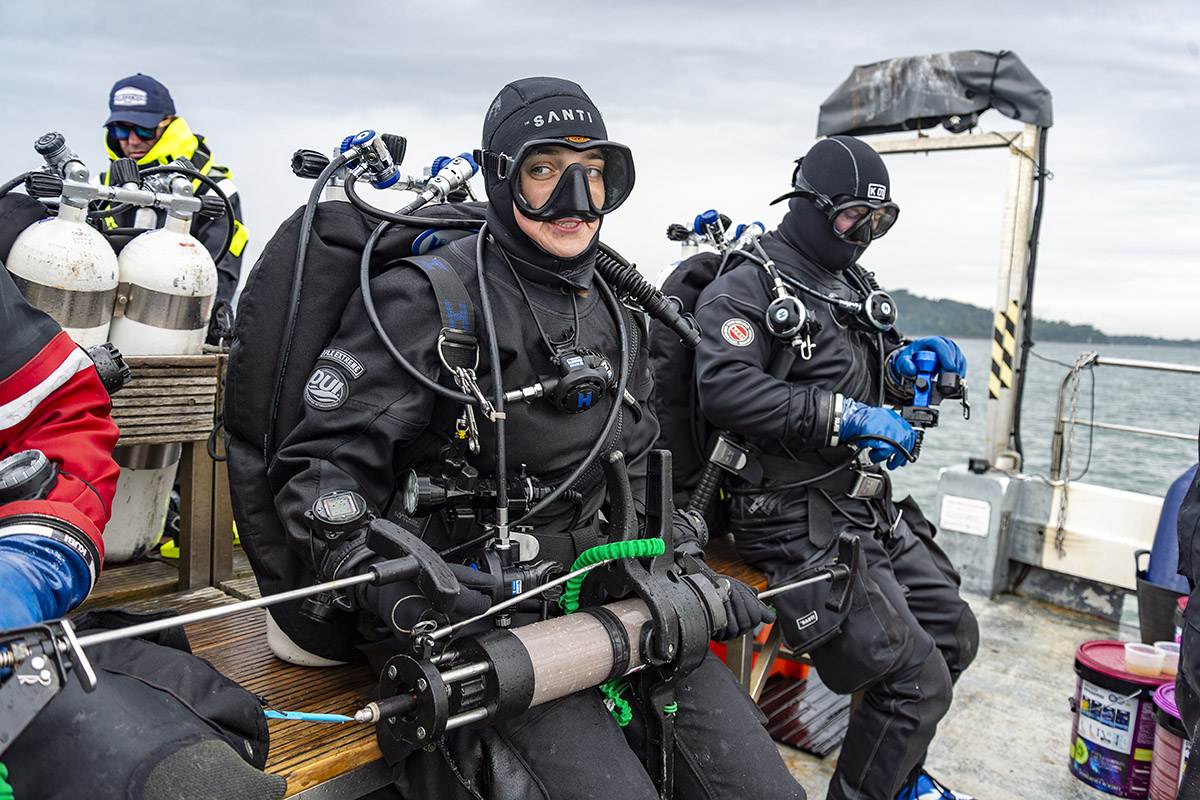
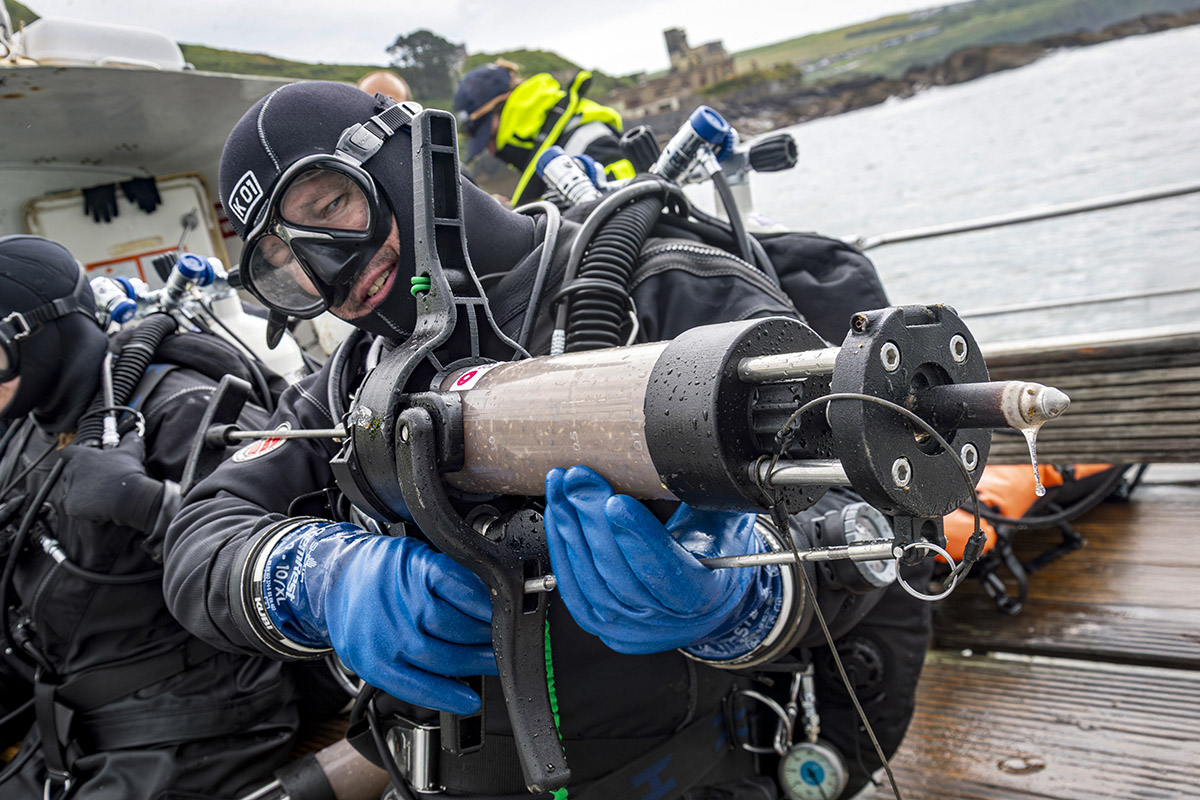
The seagrass restoration project has been running for several years and continues to be a cornerstone project for the Trust. PBUK divers have been privileged to be involved at various stages of their work.
The importance of Seagrass...
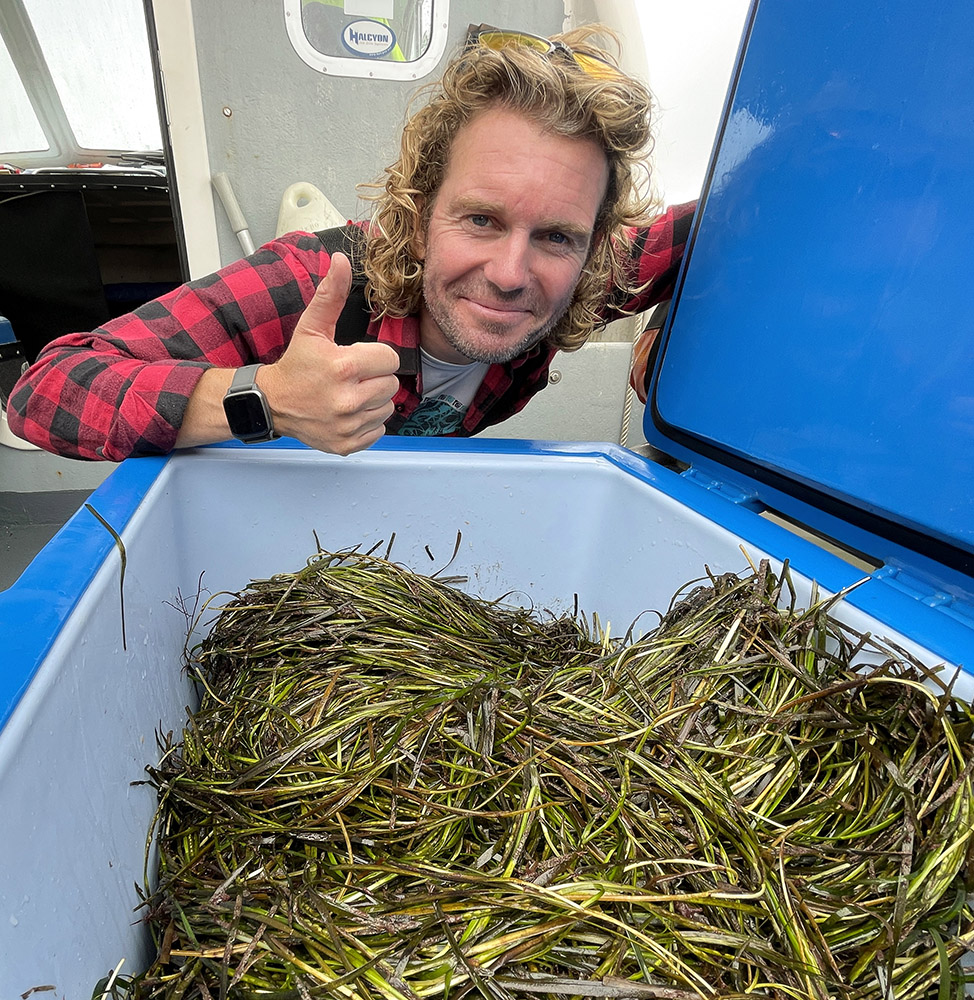
So what makes seagrass so special? Let’s cut to the science - seagrass play a key role in habitat creation by slowing water flow and trapping particles between their leaves. Other marine species are attracted to the seagrass as a source of food and protection from predators. This means they support fisheries and are a great nursery for juvenile fish.
If that wasn’t enough to get you cheering for team seagrass, they also provide coastal protection and act as a carbon sink, helping to counter the impact of climate change. All in all, they’re a unique group of flowering plants that are key to the long-term health of many marine habitats. For fans of trivia, there are four families of seagrass and 72 species worldwide.
However, they are very sensitive to change. In the UK, they are adversely affected by a number of factors including destructive fishing practices and even recreational activities, such as anchors from pleasure craft. Through its seagrass restoration programme, and the education of coastal communities, the boffins at the Ocean Conservation Trust hope to reverse the decline of seagrass on the south coast of the UK.




 CONNECT