Key Information
Publication Date:
November 2017
Publication:
Scuba Diver UK
Feature catagory:
Shipwrecks
This feature and all images are copyright © Jason Brown and may not be republished, reproduced or copied in any form without the express written permission of the author. This feature and all images are available to licence.
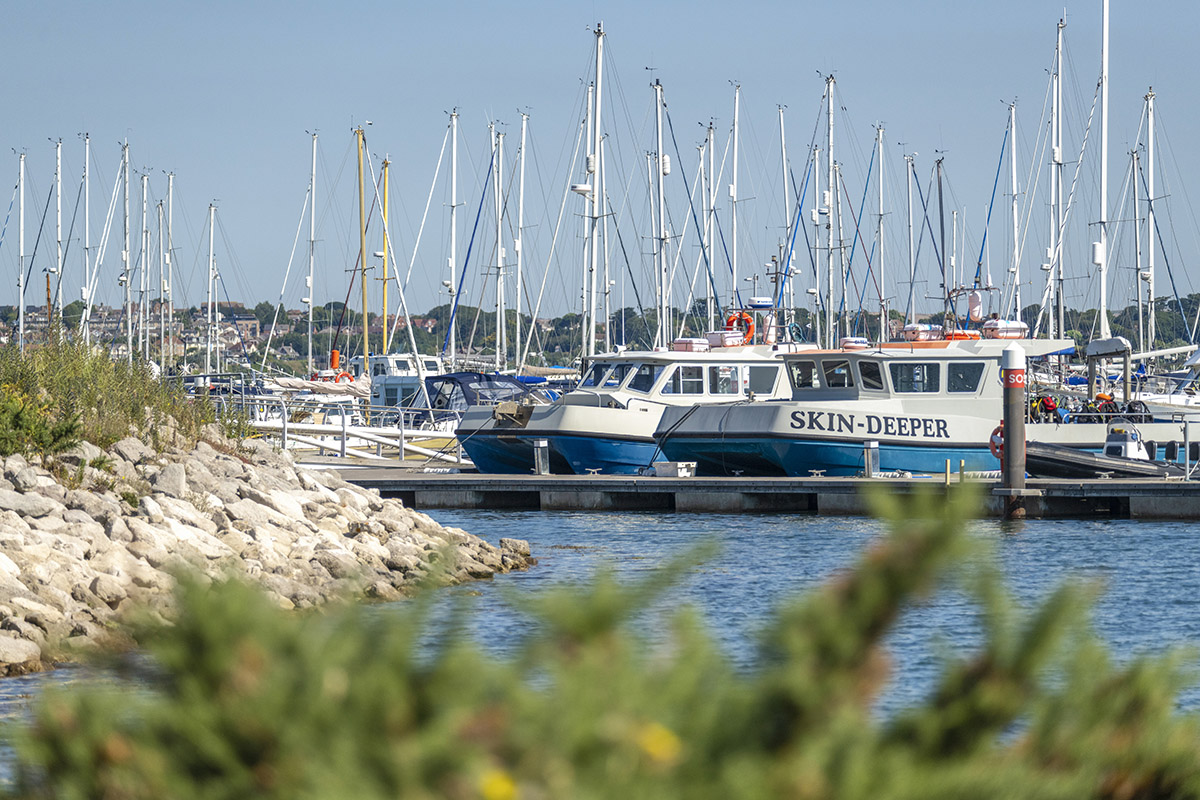
Looking back through 2017, June was a good month for UK diving. Often less than charitable at the best of times, the weather gods were extremely kind, granting us what seemed like an uncharacteristically warm spell of great weather which seemed to coincide with a spell of uncharacteristically good viz. Like many divers across the country, there was no way I was going to miss out on this freak of nature. With kit loaded into my car and my boat space booked, I headed down to Portland in Dorset for a dip on one of my favourite wrecks - the Aeolian Sky. Heading towards Weymouth, topside conditions certainly looked promising and I even managed to bag a parking spot and kit trolley on arrival at Portland Marina. Everything really was coming up Millhouse.
A South Coast favourite...
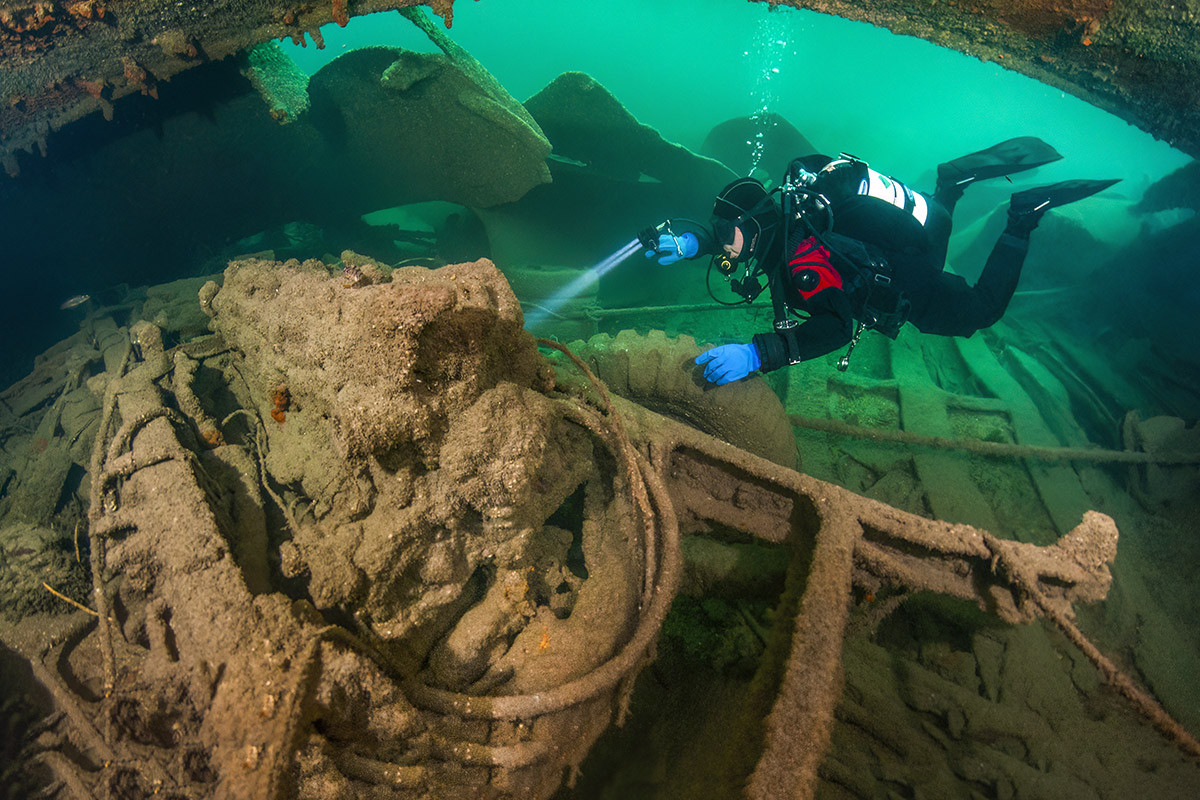
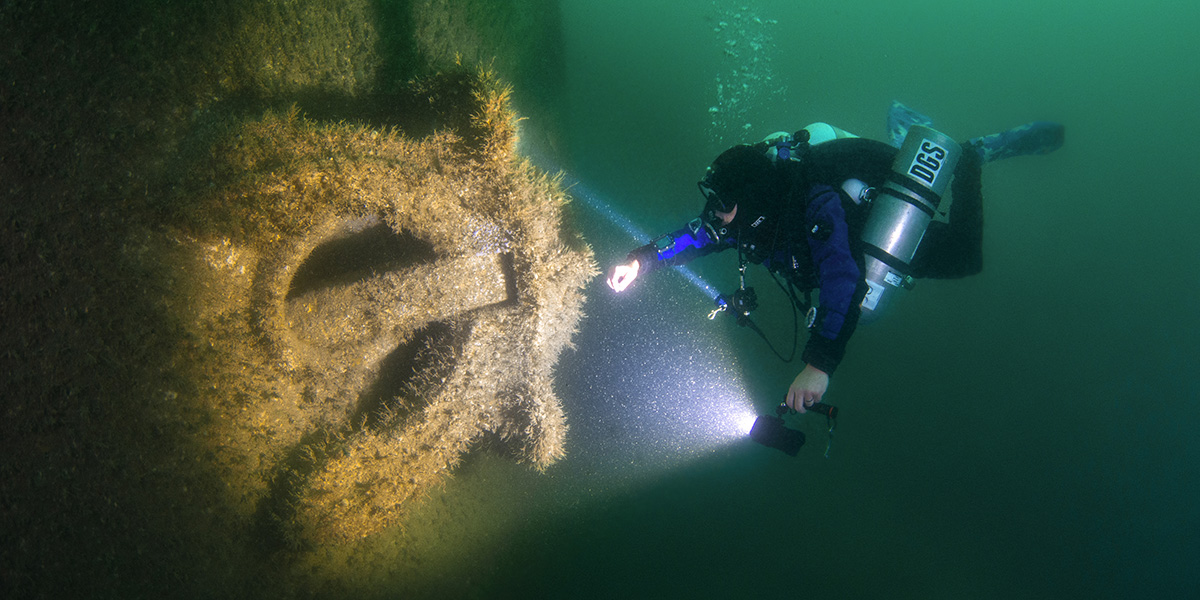
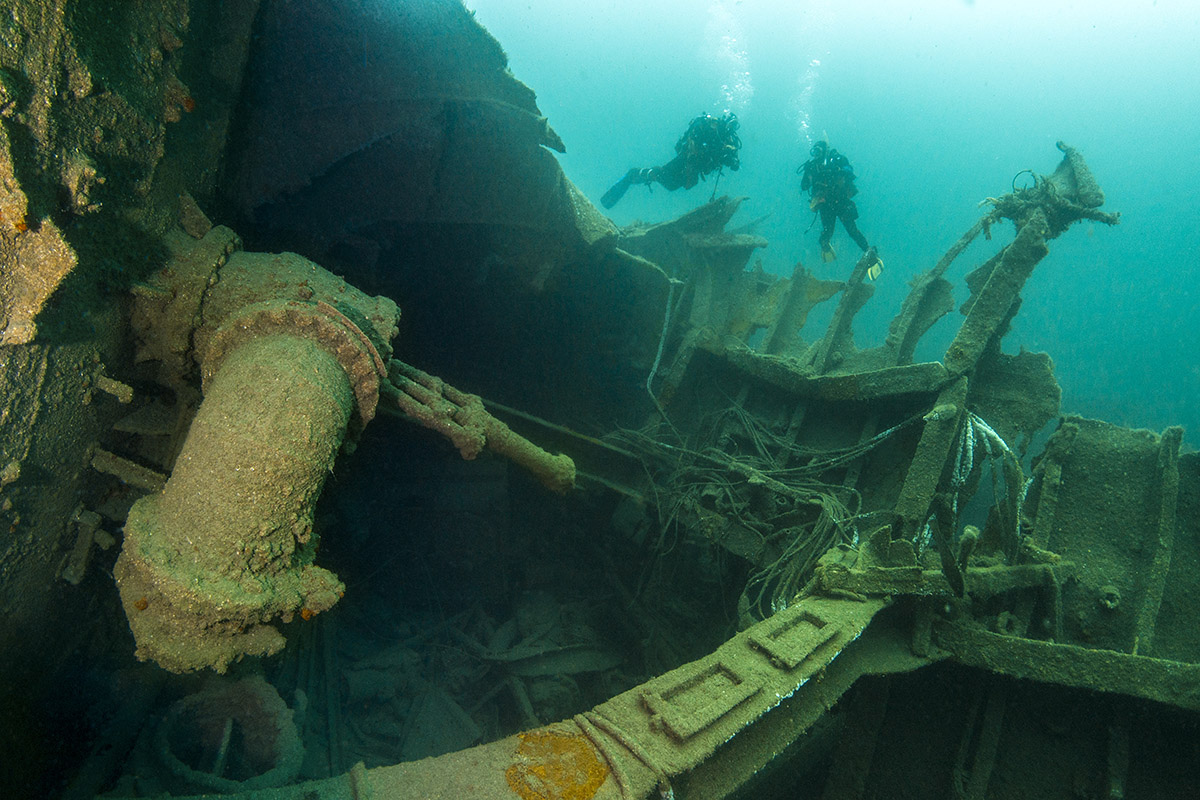
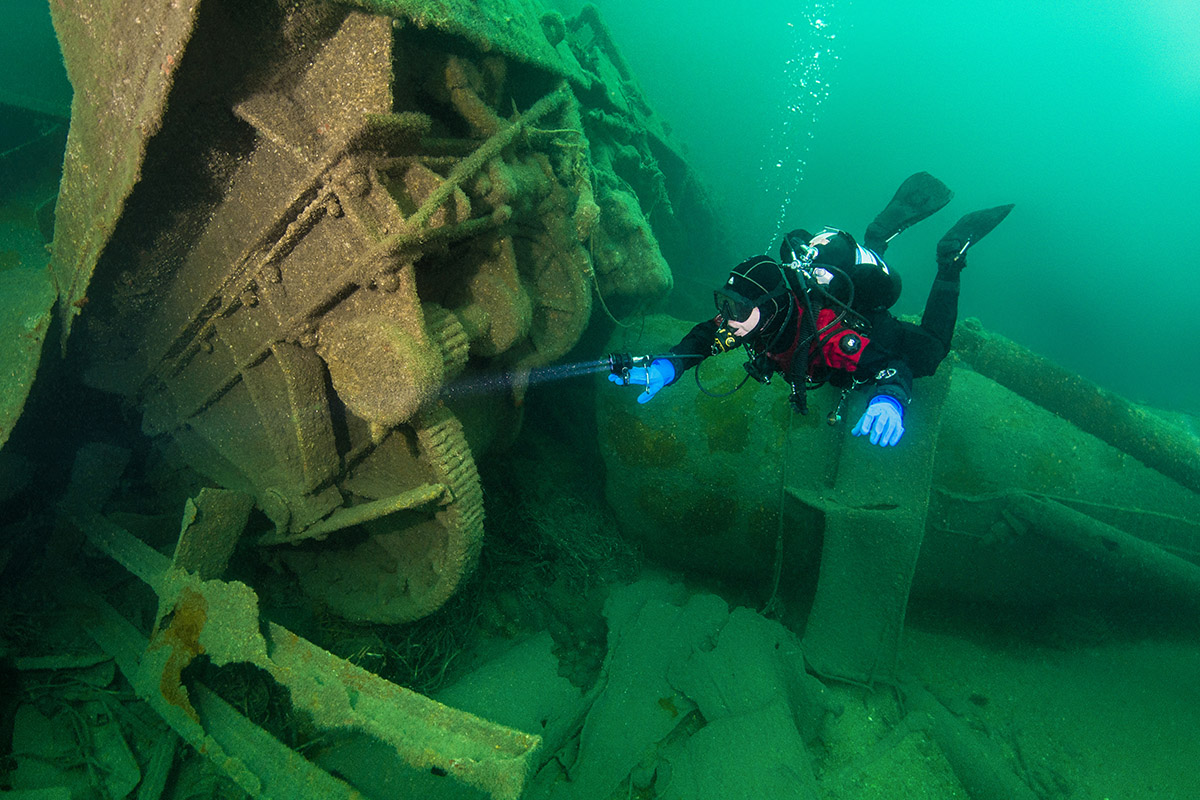
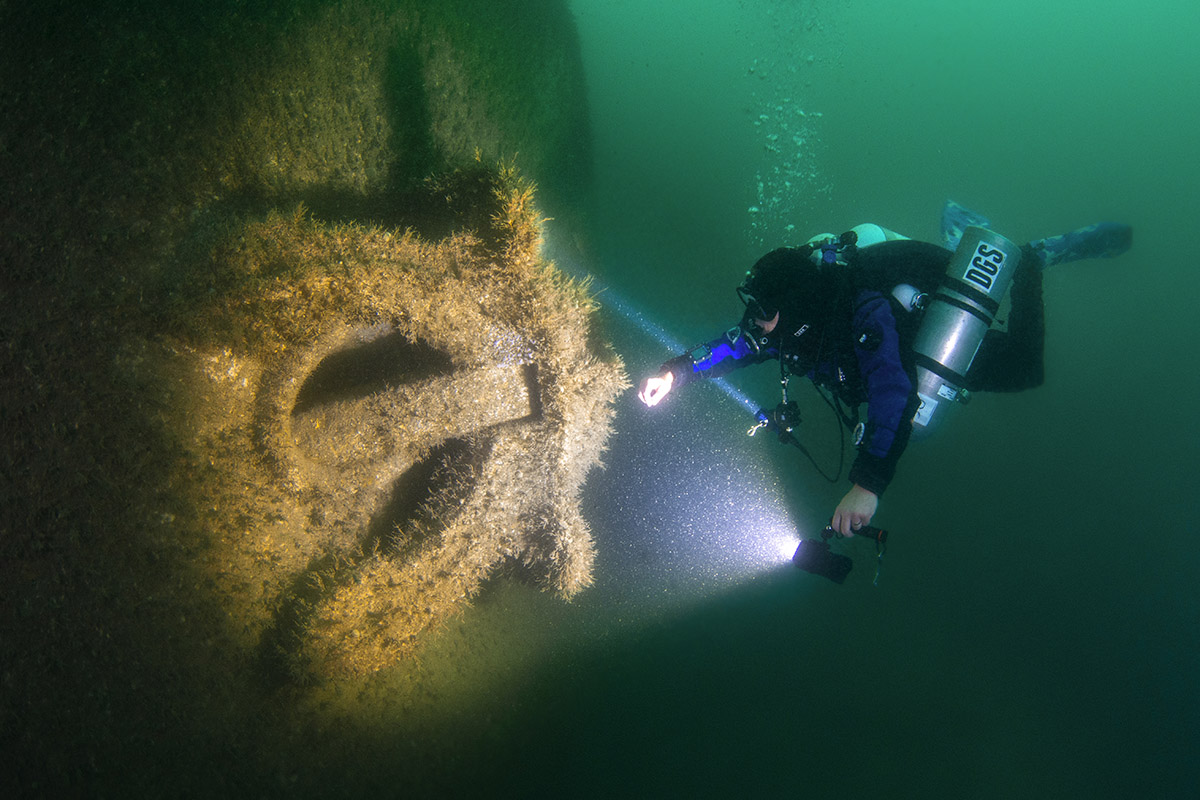
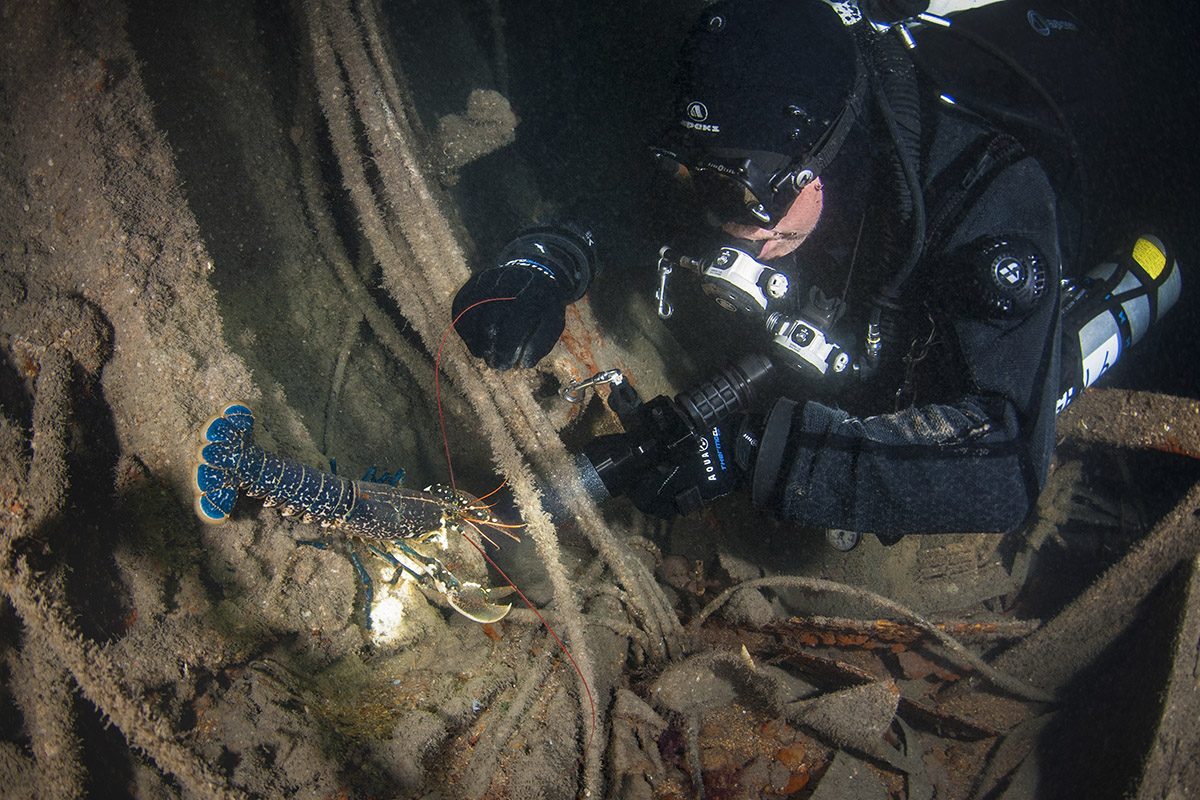
The Aeolian Sky has been one of my favourite South Coast dives for many years and with good reason. First and foremost, she’s a big wreck. And when I say big, I mean over 10,000 plus tonnes of Greek freighter big. She may not have enjoyed an illustrious military career or played a significant role in our country's rich and varied maritime history but her sheer size, state and the variety of her cargo – much of which is still in place – makes her a dive worth adding to anyone’s log book. You might expect such a big wreck to be in deep water but the Sky is relatively shallow – at a depth of around 30m, she’s accessible to most divers.
As bad luck would have it, the Aeolian Sky was just a year old when she met her unfortunate end on the 4rd November 1979. Built in the Hashihama Shipyard in Japan just the year before, she was a modern freighter with comfortable crew quarters and even her own derricks (cranes) for loading and unloading cargo. On the day before her unfortunate sinking, she was sailing from Hull, via Rotterdam, enroute to Dar es Salaam in Tanzania when she collided with the German Coaster Anna Knueppell in dense fog 20 miles off the coast of Guernsey.
"Built in the Hashihama Shipyard in Japan just the year before, she was a modern freighter with comfortable crew quarters and even her own derricks (cranes) for loading and unloading cargo."




 CONNECT